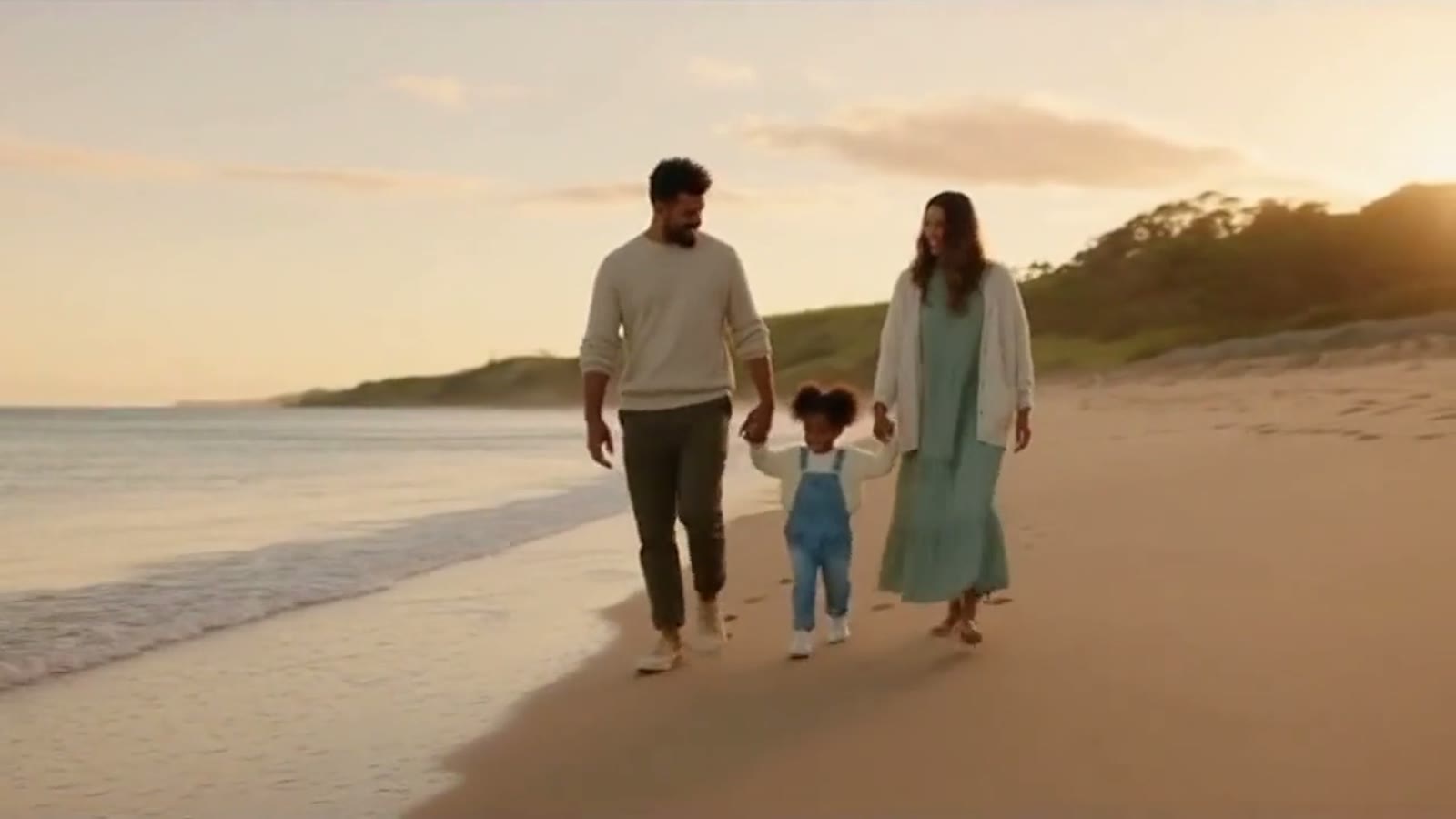
If your partner is a New Zealand citizen or resident, you may be looking at partner-based visa options so you can live together in New Zealand. This page uses an anonymised composite story to show the kinds of questions, evidence and timing issues that often matter. It is not a real client story, not immigration advice, and not a promise of any outcome.
What this illustrative story shows
Partner visas are often less about one single document and more about the full picture of your relationship: how long you have been together, whether you live together, how you support each other, and whether your evidence is consistent.
This illustrative story shows how a couple might organise their thinking before speaking with a licensed immigration adviser. It also shows why partner applications need careful preparation — especially when the couple has spent time apart, has limited shared documents, or has moved between countries.
For a broader overview of family-based pathways, start with our guide to [partner and family visas](/partner-and-family-visa/). If you are already preparing documents, our guide to [partner visa relationship evidence](/partner-visa-relationship-evidence/) may help you understand the types of proof that are commonly relevant.
The starting situation (composite)
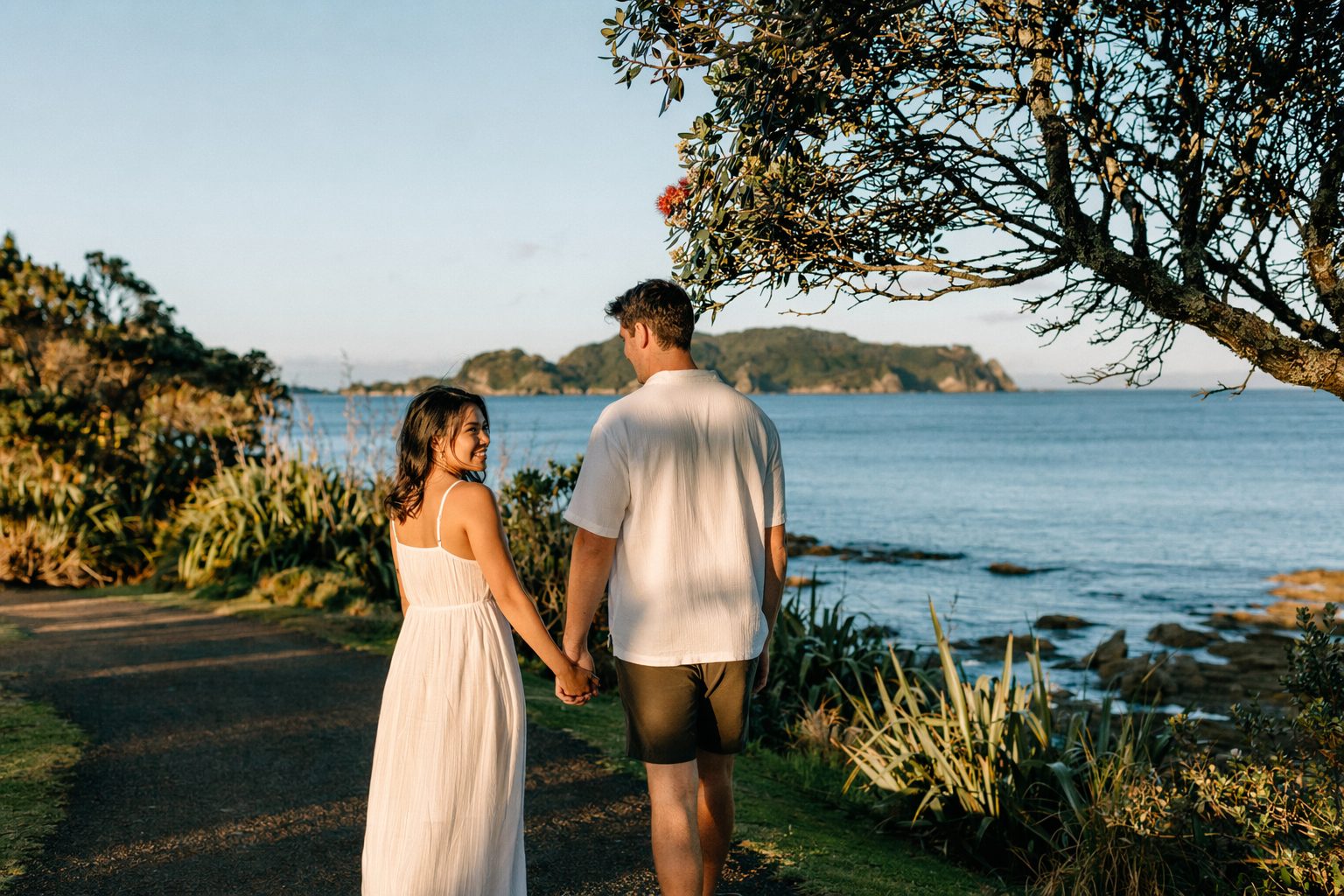
In this composite example, one partner is a New Zealand citizen living in Auckland. The other partner is overseas and wants to join them in New Zealand. They have been in a committed relationship for some time, have visited each other, and communicate daily, but they have not always lived together continuously because of work, study and travel constraints.
They are not sure which visa to consider first. They have heard about partner visitor, partner work and partner residence pathways, but they are unsure how Immigration New Zealand (INZ) will view their evidence. They also worry that some of their important documents are spread across different countries and languages.
Before lodging anything, they decide to get a general eligibility orientation and then speak with a licensed adviser. This helps them avoid guessing, rushing, or relying on informal advice from social media. It also gives them a clearer list of what to confirm with INZ or a licensed professional before taking the next step.
The pathway considered
In this kind of situation, a couple may need to consider whether the overseas partner is eligible for a temporary partner visa first, a residence pathway based on partnership, or another temporary option while they build stronger evidence. The right route depends on the facts — including where each partner lives, whether they have lived together, the quality of evidence, health and character requirements, and any previous visa history.
For some couples, the first practical step may be a partner-based visitor or work visa. For others, residence may be considered if the relationship and sponsorship requirements are met. INZ rules and evidentiary expectations can change, so any pathway should be checked against the current instructions.
In this composite, the couple’s main question is not simply “Are we in love?” It is: “Can we show, with reliable evidence, that our partnership meets the relevant INZ requirements?” A licensed adviser would usually look at the timeline, living arrangements, financial interdependence, communication history, travel history, social recognition of the relationship, and any issues that could create questions for INZ.
What mattered most
The most important theme in this composite is consistency. A strong partner visa application usually needs a clear relationship timeline supported by documents that make sense together. If dates, addresses, travel records or statements conflict, INZ may ask questions or request more information.
Commonly relevant evidence can include:
- Proof of living together, such as tenancy documents, bills, official letters or shared address records - Travel records, passport stamps, flight bookings or photos from visits - Communication history, especially for periods spent apart - Evidence of shared financial responsibilities, where available - Statements from the couple and, where appropriate, supporting people who know the relationship - Proof of identity, health and character documents, and certified translations if needed
The couple also needs to think about timing. Some documents, such as police certificates or medical checks, may need to be current. Translations may need to meet INZ standards. If either person has had previous visa refusals, overstays, criminal matters or complex family circumstances, that should be discussed with a licensed adviser before applying.
This is where an organised approach can make a difference. Instead of uploading a large bundle of random screenshots, the couple would benefit from a structured evidence plan that explains the relationship clearly and honestly. For more detail, see our guide on [relationship evidence for partner visas](/partner-visa-relationship-evidence/).
Why this is illustrative, not a real client
This story is an anonymised composite. It is not based on a real named client, and it does not describe a guaranteed result. It is designed to help you understand how partner visa issues can be approached in a practical way.
Your own case could be simpler or more complex. For example, you may be married but have limited evidence of living together, or unmarried but have years of shared documents. You may be in New Zealand already, or you may be offshore. You may have dependent children, previous partnerships, or immigration history that needs to be handled carefully.
Because partner visa decisions are evidence-based and fact-specific, you should not assume your case will go the same way as any example. Use this page as general information only, then confirm your circumstances with INZ or a licensed immigration adviser. You can also compare how different pathways may be approached by reading another illustrative example, such as our [skilled IT worker SMC composite](/case-skilled-it-worker-smc/).
Talk to a licensed adviser
If you are planning a partner visa application, the safest next step is to check your situation before you apply. Yimin is a free, independent information and matching service — we are not a licensed immigration adviser and we do not provide personalised immigration advice.
What we can do is help you organise the basics, understand likely pathway questions, and connect you with an IAA-licensed immigration adviser or immigration lawyer for a free intro call. You can start with the free eligibility check, view your general pathway orientation, and then decide whether to speak with a professional.
If your relationship evidence is mixed, your timeline is complicated, or you are unsure which partner visa to consider, it is worth getting proper guidance early. Start with the free check or [contact us](/contact/) to get matched with a licensed adviser.
In plain English
In plain English: partner visa cases depend on the quality and consistency of your real relationship evidence, so start with Yimin’s free eligibility check and speak with a licensed adviser before you apply.
Yimin is a free, independent information and matching service. It is NOT a Licensed Immigration Adviser and does not provide personalised immigration or legal advice. Eligibility tools are indicative orientation only.
Read the full disclaimer →